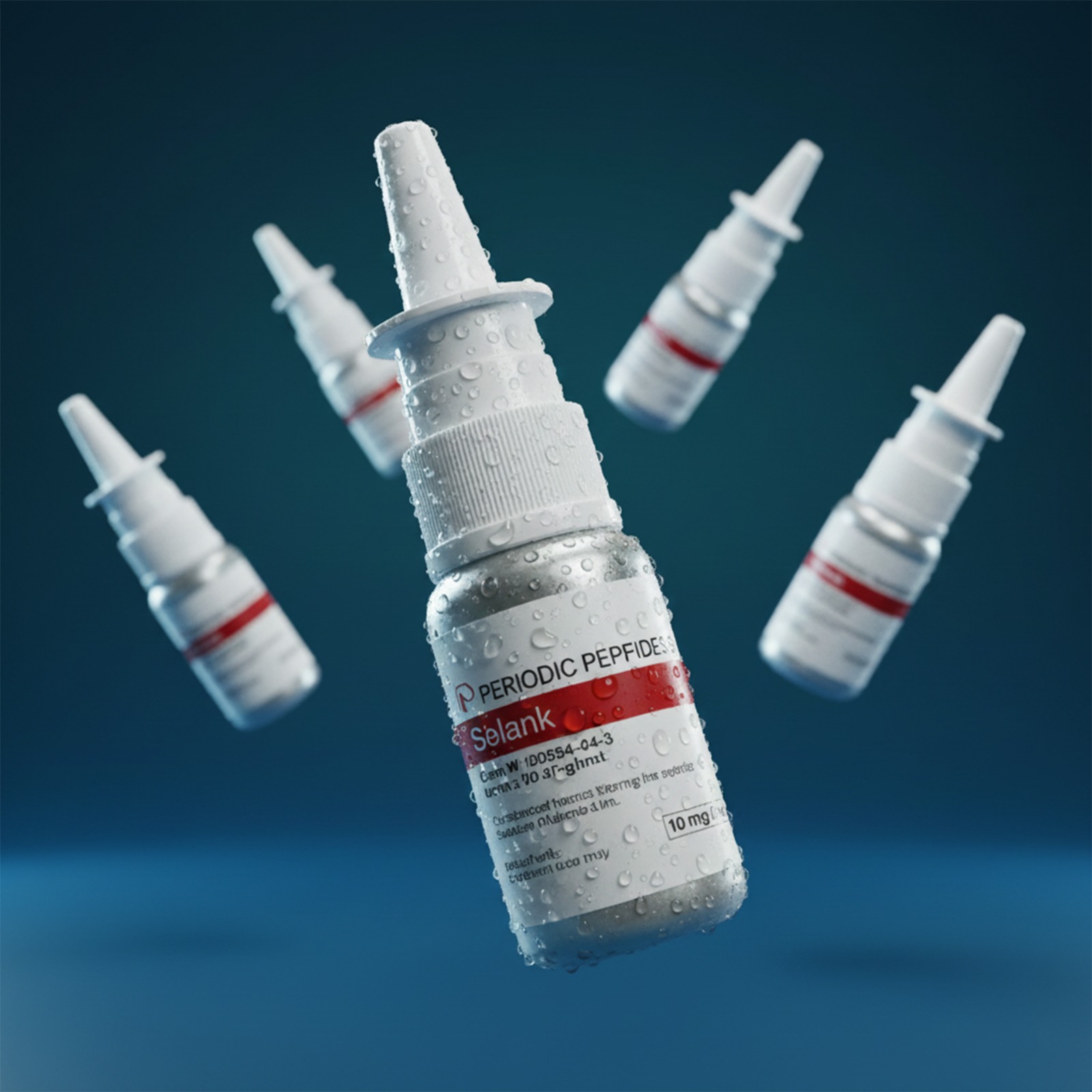
BPC-157 + TB-500 has attracted research interest because both peptides are discussed in relation to tissue repair, cellular migration, vascular responses, and regenerative biology. However, they involve different biological pathways, and direct evidence examining them together remains limited. Current evidence comes mainly from preclinical BPC-157 studies and research involving thymosin beta-4 (Tβ4), which is closely […]
Category Archives: BPC-157
Explore BPC-157 products and research information at NordWellness. Researchers study this synthetic peptide for its potential role in tissue repair, cellular signaling, and recovery-related biological pathways.
Scientists investigate how this peptide may influence angiogenesis, cellular migration, gastrointestinal tissue responses, and mechanisms associated with tissue regeneration. Researchers have primarily examined these effects in laboratory and animal models, while human clinical evidence remains limited.
Browse our BPC-157 category to explore available research products and learn more about ongoing studies involving tissue repair, recovery, and cellular signaling pathways.
BPC-157 is a synthetic 15-amino acid peptide widely studied in preclinical research for its potential role in tissue repair, angiogenesis, cellular protection, and regenerative pathways. In particular, as interest in BPC-157 continues to grow, researchers focus on understanding experimental protocols, administration methods, and factors that may influence research outcomes. Unlike approved medications with standardized clinical […]
BPC-157 is a synthetic 15-amino acid peptide that has gained significant attention in preclinical research focused on tissue repair, regeneration, and cellular recovery mechanisms. Originally derived from a protective protein sequence found in human gastric juice, BPC-157 has been studied for its potential role in angiogenesis, connective tissue recovery, cellular protection, and biological repair pathways. […]
BPC-157 is a synthetic 15-amino acid peptide studied in laboratory and preclinical research for its relationship with tissue repair models, gastrointestinal protection, vascular signaling, cellular migration, and stress-response pathways. Originally associated with protective compounds found in gastric tissue, BPC-157 has become a research focus because of its proposed activity across several biological systems. Current BPC-157 […]
BPC-157 is a synthetic 15-amino acid peptide that has become a significant subject of investigation in regenerative biology and tissue repair research. Derived from a protective protein sequence found in human gastric juice, BPC-157 has been studied for its potential role in angiogenesis, cellular protection, connective tissue repair, and recovery-related signaling pathways. Unlike traditional hormones […]
BPC-157 is a synthetic peptide derived from a fragment of human gastric juice protein that has gained significant attention in preclinical research for its potential to enhance tissue repair, recovery, and cellular resilience. By modulating angiogenesis, cytoprotection, and inflammatory responses, BPC-157 has become a critical tool for studying wound healing, musculoskeletal recovery, and gastrointestinal protection. […]
BPC-157 is a synthetic peptide derived from a partial sequence of human gastric juice protein. It has gained attention in research for its potential tissue repair, regenerative, and cytoprotective effects. Due to its unique mechanisms, BPC-157 is studied in various preclinical models for wound healing, musculoskeletal repair, gastrointestinal protection, and cellular resilience. This article provides […]
Whether you’re a sports scientist investigating tissue regeneration or a researcher exploring novel recovery compounds, two peptides consistently appear at the top of the literature: BPC-157 and TB-500. Together, they form one of the most studied peptide stack for recovery combinations in preclinical research — and Nord Wellness is proud to supply both at verified […]
Among the growing library of research peptides currently being studied in laboratories across North America, few have generated as much scientific interest as BPC-157 peptide. Short for Body Protection Compound-157, this compound is a synthetic peptide. It has become one of the most discussed molecules in regenerative biology, gastroenterology, and musculoskeletal repair research. For Canadian […]