Tag Archives: SS-31 peptide

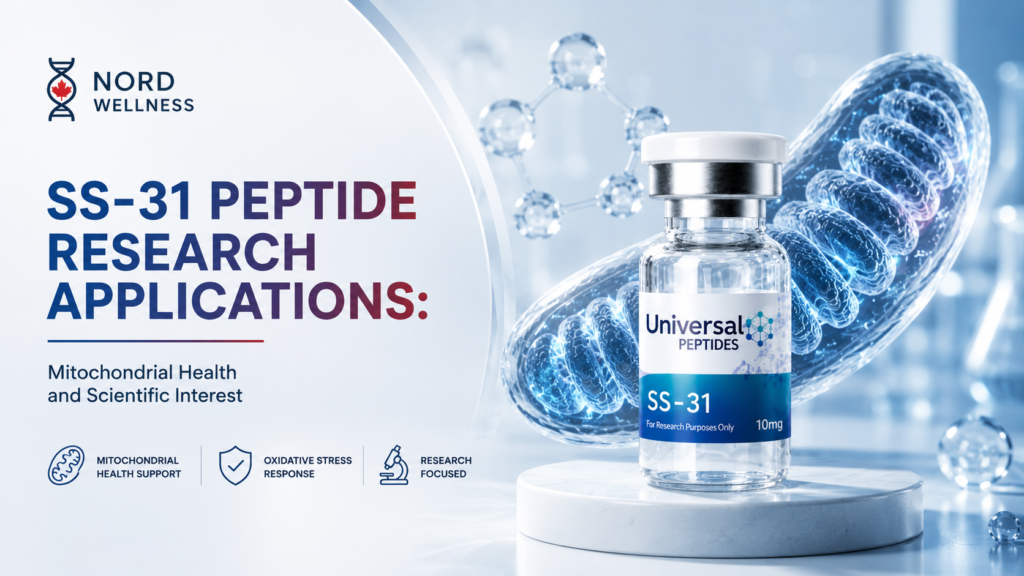
SS-31 Peptide Research Applications: Mitochondrial Health and Scientific Interest
ss-31-peptide-research-applications

SS-31 Peptide, also known as Elamipretide, is a mitochondria-targeted tetrapeptide that has become a prominent focus in cellular bioenergetics and mitochondrial research. Its ability to selectively target mitochondrial membranes, reduce oxidative stress, and enhance ATP production has made it an invaluable tool for studying mitochondrial health, energy metabolism, and cytoprotection. This article explores the research […]
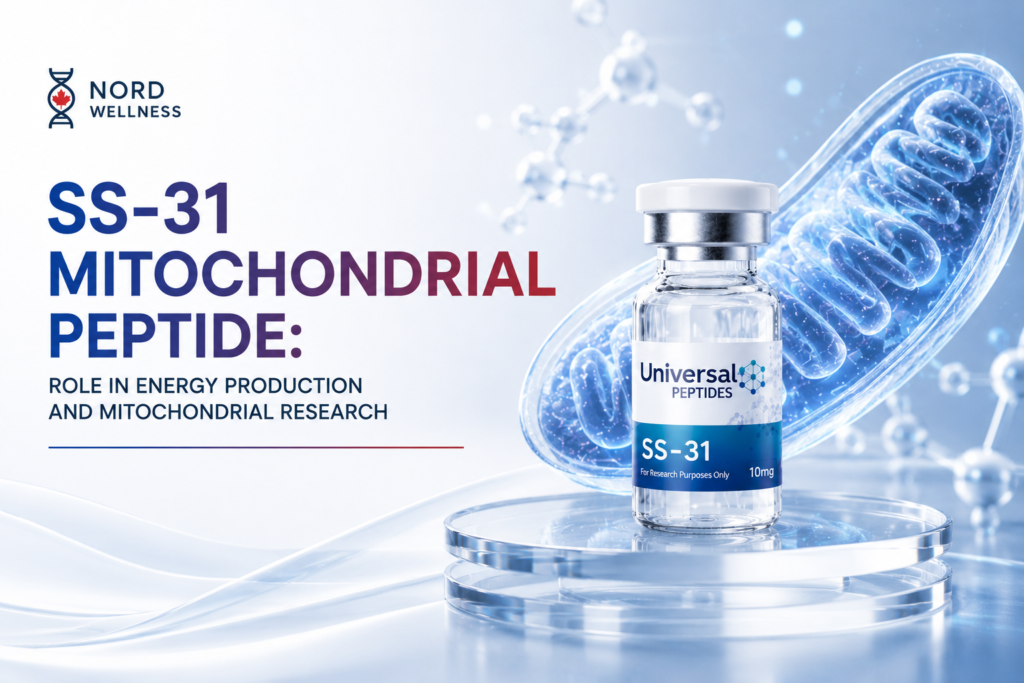
SS-31 Mitochondrial Peptide: Role in Energy Production and Mitochondrial Research

ss-31-mitochondrial-peptide

SS-31 Peptide, also known as Elamipretide, is a mitochondria-targeted tetrapeptide that has gained significant attention in research focused on cellular energy production and mitochondrial function. Its unique ability to selectively accumulate in mitochondria and stabilize mitochondrial membranes makes it a powerful tool for studying bioenergetics, oxidative stress, and cytoprotective mechanisms in various cell types. This […]

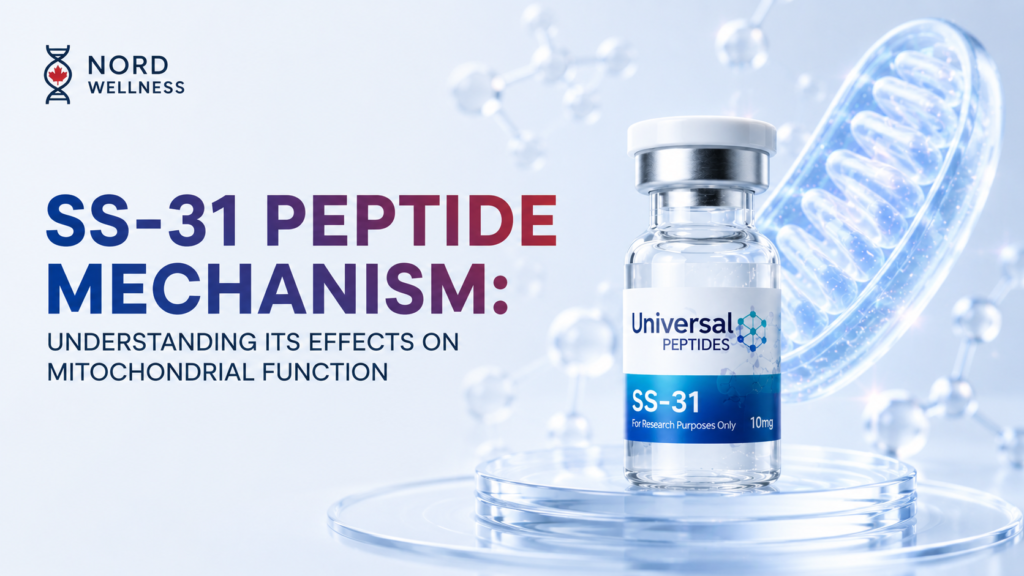
SS-31 Peptide Mechanism: Understanding Its Effects on Mitochondrial Function

ss-31-peptide-mechanism

SS-31 Peptide, also known as Elamipretide, is a mitochondria-targeted tetrapeptide that has gained significant attention in research for its ability to improve mitochondrial efficiency and reduce oxidative stress. By selectively interacting with mitochondrial membranes, SS-31 stabilizes electron transport chain complexes, enhances ATP production, and protects cells from reactive oxygen species (ROS)-induced damage. This article provides […]

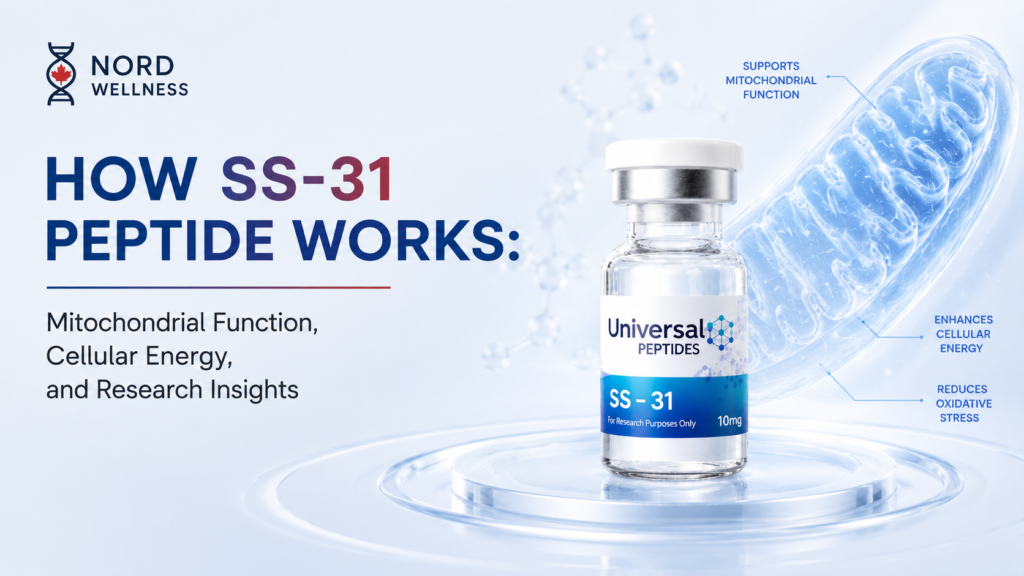
How SS-31 Peptide Works: Mitochondrial Function, Cellular Energy, and Research Insights

how-ss-31-peptide-works

SS-31 Peptide, also known as Elamipretide, is a mitochondria-targeted tetrapeptide that has attracted significant attention in cellular and metabolic research. By interacting selectively with mitochondrial membranes, SS-31 helps preserve mitochondrial integrity, reduce oxidative stress, and enhance ATP production. Understanding how SS-31 works provides researchers with a unique tool for studying cellular bioenergetics, cytoprotection, and the […]