Category Archives: KPV

Explore KPV products and research information at NordWellness. Researchers study this short tripeptide, derived from the C-terminal sequence of alpha-melanocyte-stimulating hormone (α-MSH), for its interaction with inflammatory and immune-related pathways.

Scientists investigate how this peptide may influence NF-κB signaling, cytokine activity, intestinal epithelial responses, and cellular inflammatory mechanisms. Laboratory studies also examine its relationship with PepT1-mediated transport and its activity in experimental intestinal and immune cell models. Most available evidence remains preclinical, so researchers continue to investigate its mechanisms and biological effects.

Browse our KPV category to explore available research products and learn more about ongoing studies involving inflammatory signaling, immune responses, and cellular pathways.

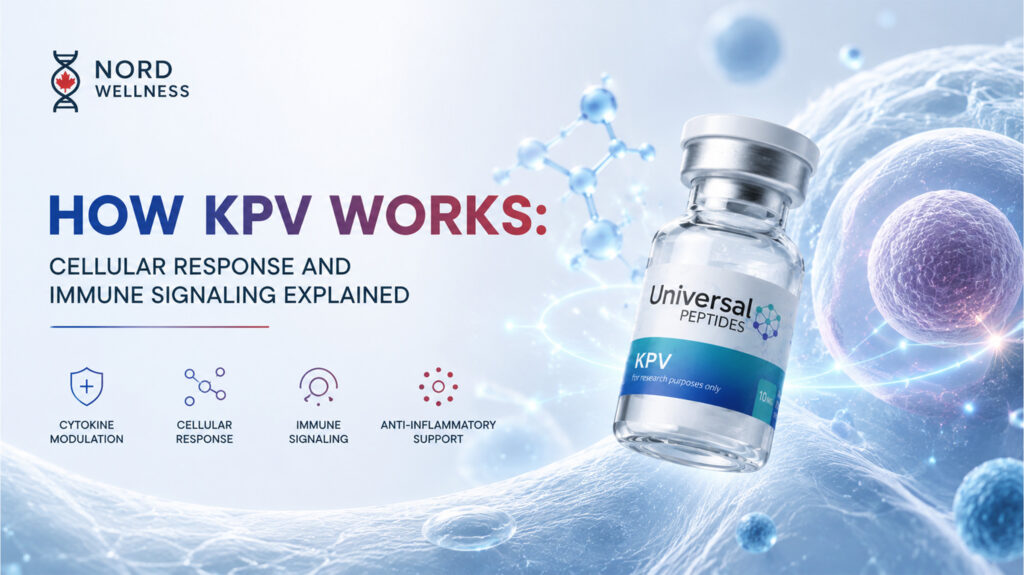
How KPV Works: Cellular Response and Immune Signaling Explained
how-kpv-works-cellular-response-and-immune-signaling-explained

Understanding how KPV works requires looking beyond a simple “anti-inflammatory peptide” description. KPV is a short tripeptide made of three amino acids: lysine, proline, and valine. It is known as the C-terminal fragment of alpha-melanocyte-stimulating hormone, or α-MSH, a peptide involved in melanocortin biology and immune-related signaling. Research reviews describe KPV as one of the […]
KPV Mechanism Explained: Cytokine Modulation and Cellular Signaling

kpv-mechanism-explained-cytokine-modulation-and-cellular-signaling

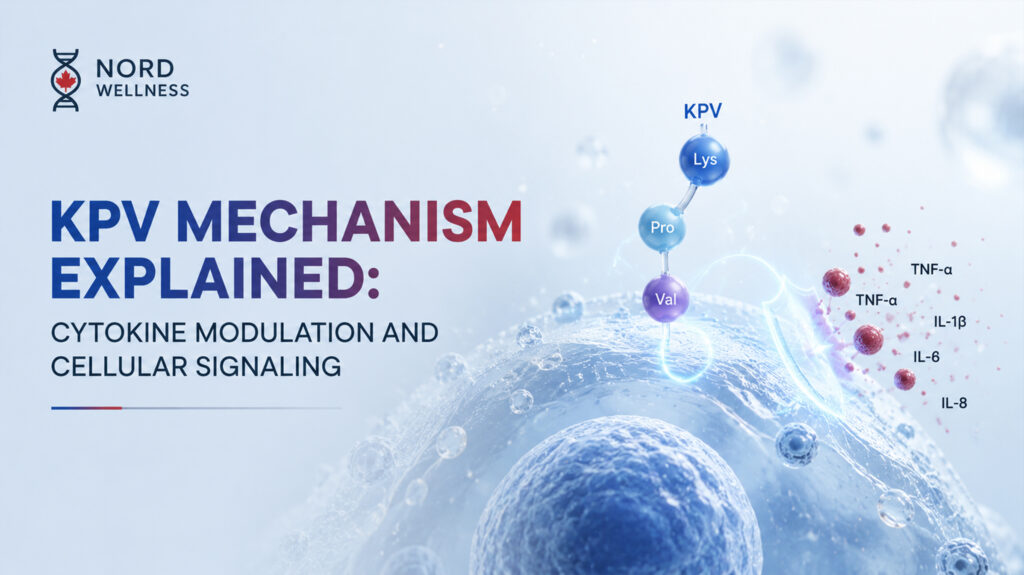
In peptide research, KPV mechanism is often discussed in relation to inflammatory signaling, cytokine expression, epithelial barrier function, and immune-cell communication. KPV consists of three amino acids—lysine, proline, and valine—and researchers identify it as the C-terminal fragment of alpha-melanocyte-stimulating hormone (α-MSH). Research literature has described KPV as one of the small α-MSH-related peptide fragments associated […]

KPV Peptide: Structure, Anti-Inflammatory Role, and Research Applications

kpv-peptide-structure-anti-inflammatory-role-and-research-applications

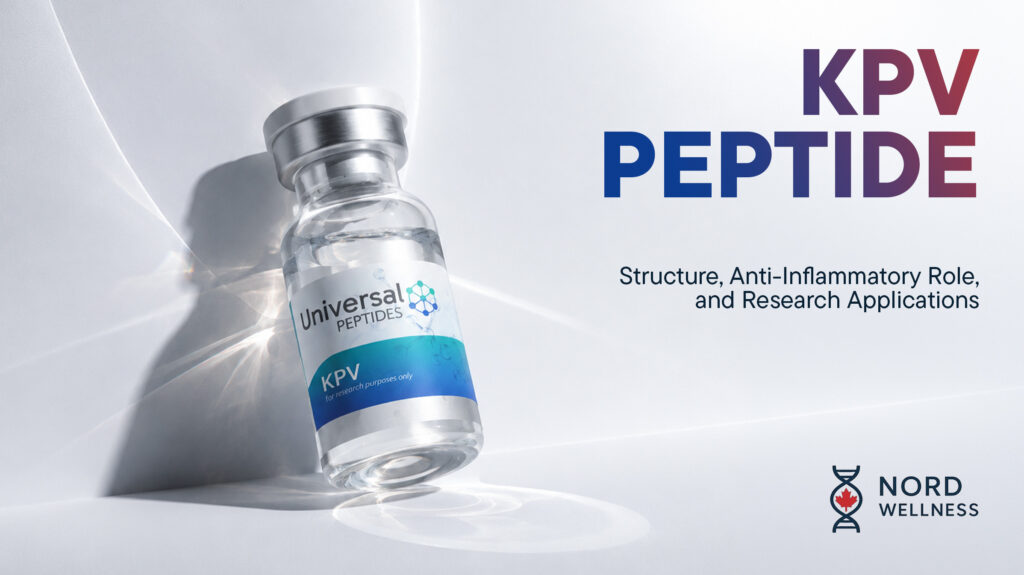
In peptide research, few small molecules have attracted as much interest for inflammation-related signaling as KPV peptide. Although it contains only three amino acids, KPV is studied because it represents a biologically active fragment of alpha-melanocyte-stimulating hormone, often written as α-MSH. This makes KPV especially relevant in research involving cytokine activity, immune signaling, inflammatory pathways, […]