

BPC-157, Healing & Regeneration, Peptides
BPC-157 Peptide: Benefits, Mechanism, Tissue Repair Research, and Scientific Insights
Summarize the article with:
 ChatGPT
 Claude
 Perplexity
 Google AI
Jul
BPC-157 is a synthetic peptide derived from a partial sequence of human gastric juice protein. It has gained attention in research for its potential tissue repair, regenerative, and cytoprotective effects. Due to its unique mechanisms, BPC-157 is studied in various preclinical models for wound healing, musculoskeletal repair, gastrointestinal protection, and cellular resilience.
This article provides an in-depth overview of BPC-157’s mechanism of action, potential benefits, tissue repair research, common research applications, and safety considerations. In addition, it highlights current scientific findings and important considerations for interpreting BPC-157 research within controlled experimental settings.
What Is BPC-157 Peptide?
BPC-157 is a 15-amino acid peptide originally derived from a protective protein in gastric juice. In particular, its key characteristics include:
- Gastroprotective origin: Naturally involved in maintaining gut integrity.
- Synthetic research peptide: Used in preclinical studies to assess tissue repair and regeneration.
- Stability in experimental models: Resistant to enzymatic degradation, making it suitable for in vitro and in vivo studies.
BPC-157 serves as a tool to study regenerative mechanisms, angiogenesis, and cellular repair processes in controlled research settings. In particular, it enables researchers to investigate how peptide-mediated pathways may influence tissue recovery and biological resilience.
Explore BPC-157 Peptide for research purposes at BPC-157 Peptide
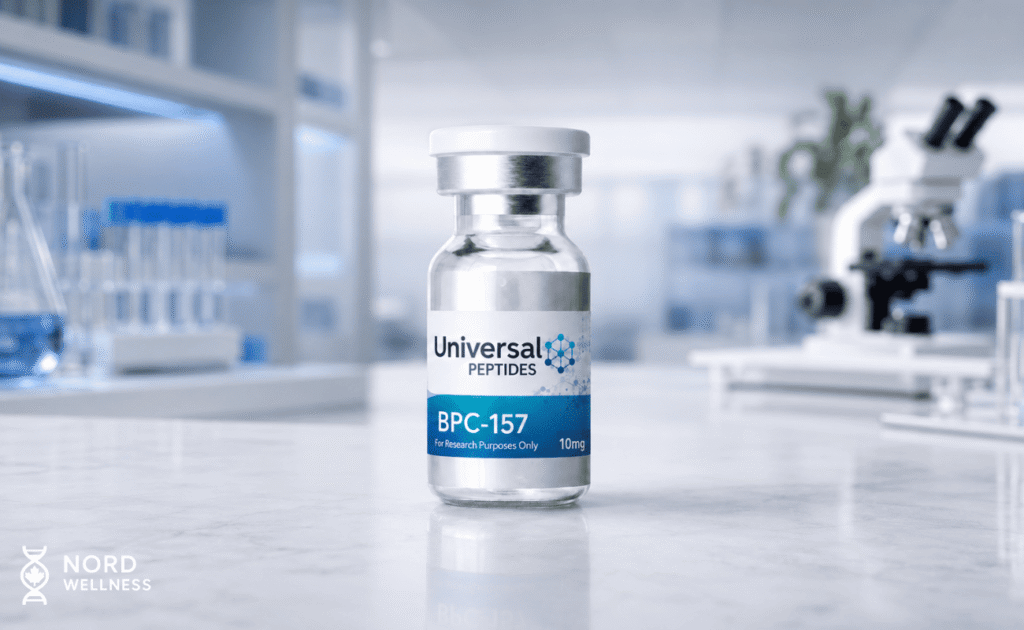
How BPC-157 Peptide Works
BPC-157 influences tissue repair and cellular function through several mechanisms:
- Angiogenesis modulation: Promotes formation of new blood vessels to support tissue repair.
- Cytoprotection: Protects cells from oxidative stress, inflammation, and injury.
- Growth factor interaction: Enhances activity of VEGF, FGF, and other tissue repair-related pathways.
- Musculoskeletal support: Facilitates tendon, ligament, and muscle regeneration in preclinical models.
By targeting these pathways, BPC-157 allows researchers to study tissue regeneration and metabolic repair mechanisms in a precise and controlled manner. Consequently, it provides a valuable model for investigating cellular recovery and regenerative processes in experimental settings.
Potential Benefits of BPC-157 Research
Research on BPC-157 has identified multiple benefits in experimental settings. In particular, these include potential effects related to tissue repair, angiogenesis, cellular protection, and recovery-associated biological pathways.
- Enhanced wound healing: Accelerates repair of skin, mucosa, and connective tissue.
- Muscle and tendon repair: Promotes regeneration and reduces recovery time in injury models.
- Gastrointestinal protection: Supports integrity of the gut lining and reduces lesion formation.
- Cytoprotective effects: Limits oxidative stress and inflammation in damaged tissues.
- Angiogenesis support: Improves blood flow to injured tissues, aiding healing and repair.
These benefits highlight BPC-157 as a versatile peptide for regenerative and metabolic research. In particular, they demonstrate its relevance as a research tool for investigating tissue repair, cellular resilience, and biological recovery pathways in experimental models.
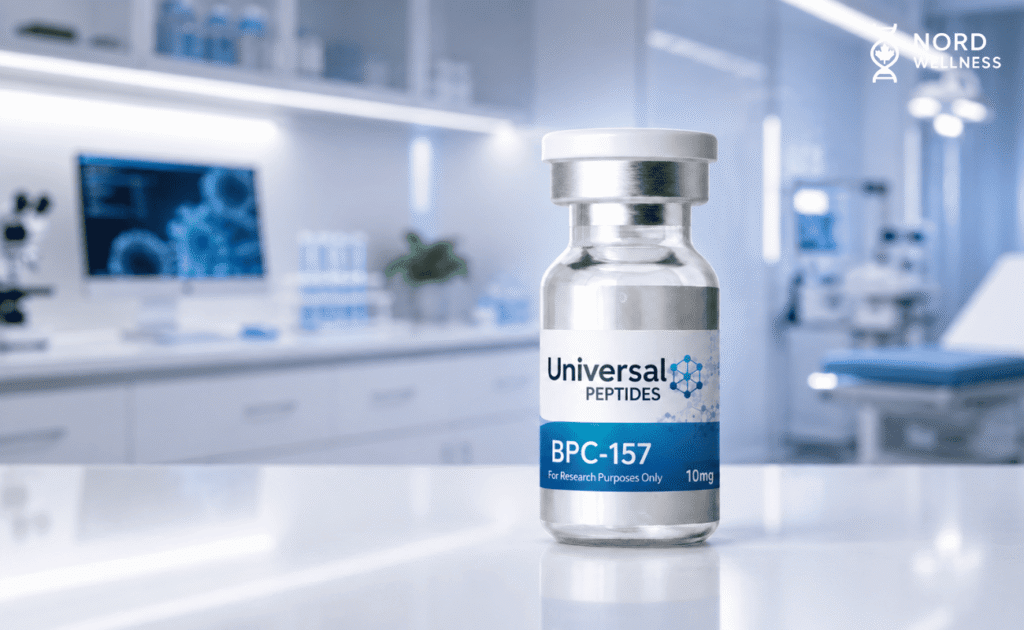
BPC-157 and Tissue Repair Research
BPC-157 is extensively studied in tissue repair research:
- Tendons and ligaments: Enhances collagen synthesis, improves mechanical strength, and reduces recovery time.
- Muscle injury: Facilitates regeneration of skeletal muscle fibers and reduces scar formation.
- Gastrointestinal models: Protects gastric mucosa from NSAID-induced damage and accelerates healing of ulcers.
- Nerve regeneration: Supports axonal growth and functional recovery in nerve injury models.
These studies demonstrate BPC-157’s role in enhancing cellular repair mechanisms across multiple tissue types. In particular, they provide insights into how BPC-157 may influence regenerative pathways, tissue resilience, and recovery-related processes in preclinical models.
Explore BPC-157 Peptide for research purposes at BPC-157 Peptide
Common Research Applications of BPC-157
BPC-157 is used in a variety of preclinical research applications. In particular, these include studies related to tissue repair, angiogenesis, cellular protection, gastrointestinal research, and musculoskeletal recovery pathways.
- Regenerative medicine studies: Exploring tissue repair, wound healing, and musculoskeletal recovery.
- Gastrointestinal research: Studying cytoprotective mechanisms and ulcer healing.
- Angiogenesis research: Investigating mechanisms of blood vessel formation and tissue perfusion.
- Inflammation modulation: Understanding how peptides can mitigate inflammatory responses in damaged tissues.
- Experimental pharmacology: Assessing peptide stability, bioavailability, and molecular signaling pathways.
Its versatility makes BPC-157 a valuable tool for researching tissue regeneration, cellular resilience, and metabolic support. In particular, it enables researchers to explore how peptide-based mechanisms may influence repair pathways across different biological systems.
Safety and Research Considerations
While BPC-157 shows promise in preclinical models, several considerations are important:
- Preclinical focus: Most studies are in vitro or animal models; human data are limited.
- Systemic effects: Potential off-target effects and long-term systemic consequences are still under investigation.
- Standardized protocols: Dosing, administration route, and experimental conditions vary across studies.
- Controlled use: Peptide use should remain within research and preclinical contexts until further human studies are completed.
These considerations ensure that research findings are reliable, reproducible, and safe in experimental settings. In this way, they help maintain scientific accuracy and improve the quality of experimental outcomes.
SEE MORE:
- BPC-157 Benefits: Tissue Repair, Recovery Research, and Potential Applications
- How BPC-157 Works: Mechanism of Action, Healing Pathways, and Research Insights
- BPC-157 Mechanism of Action: Understanding Its Role in Tissue Repair Research
- BPC-157 Research Applications: Current Studies, Potential Uses, and Scientific Interest
- BPC-157 for Tissue Repair Research: Mechanisms, Findings, and Scientific Interest
- BPC-157 Dosage Guide: Research Protocols, Administration, and Key Considerations
FAQ About BPC-157 Peptide
What is BPC-157 peptide?
BPC-157 is a synthetic peptide derived from human gastric juice protein, and it is primarily studied for tissue repair, regeneration, and cytoprotective effects.
How does BPC-157 work?
It promotes angiogenesis, enhances tissue repair pathways, protects cells from oxidative stress, and supports regeneration of muscles, tendons, and the gastrointestinal lining. As a result, it provides a valuable model for studying recovery and regenerative processes in preclinical research.
Can BPC-157 be used clinically?
Researchers currently use BPC-157 primarily in preclinical research, while human applications remain experimental.
What benefits have been observed in research?
In particular, enhanced wound healing, accelerated musculoskeletal recovery, cytoprotection, improved angiogenesis, and gut mucosa protection are among the key areas studied in relation to BPC-157 research.
Are there limitations to BPC-157 research?
Researchers obtain most data from animal or in vitro models, while they report that human translational studies remain limited. They have not yet fully determined the long-term effects of this compound.
Final Thoughts
BPC-157 Peptide provides researchers with a powerful tool for investigating tissue repair, metabolic support, and cellular regeneration. Its ability to enhance healing, support angiogenesis, and protect cells makes it invaluable in studies of musculoskeletal, gastrointestinal, and metabolic health.
Disclaimer
This content is provided by Nord Wellness for educational and research purposes only. BPC-157 Peptide is not approved for the diagnosis, treatment, cure, or prevention of any disease.


This was an excellent introduction to BPC-157 and the current state of peptide research. I appreciated how the article explained its origin, biological properties, and why most of the available evidence still comes from preclinical studies. The balanced, research-focused approach made the content informative and credible.
Great article overall. Many resources describe BPC-157 in broad terms, but this article did a much better job explaining its relevance to tissue repair research, angiogenesis, and cellular signaling without making unsupported claims. I especially liked the emphasis on distinguishing laboratory findings from established clinical evidence.
Pingback: BPC-157 Benefits: Tissue Repair, Recovery Research, and Potential Applications - nordwellness.is
Pingback: How BPC-157 Works: Mechanism of Action, Healing Pathways, and Research Insights - nordwellness.is
Pingback: BPC-157 Mechanism of Action: Understanding Its Role in Tissue Repair Research - nordwellness.is
Pingback: BPC-157 Research Applications: Current Studies, Potential Uses, and Scientific Interest - nordwellness.is
Pingback: BPC-157 for Tissue Repair Research: Mechanisms, Findings, and Scientific Interest - nordwellness.is
Pingback: BPC-157 Dosage Guide: Research Protocols, Administration, and Key Considerations - nordwellness.is